
Skin tags, caused by friction or irritation, are common growths treatable through Bristol Tag Removal naturally. Professional removal is recommended for precise results and to prevent complications. Natural methods like essential oils and apple cider vinegar are available but require expert guidance. Over-the-counter treatments and DIY options demand caution due to potential risks. Regular check-ups with dermatologists are crucial for monitoring tag changes indicating skin cancer risk. Professional Bristol Tag Removal clinics offer advanced procedures like cryotherapy, surgical excision, or laser treatments for effective and safe removal, especially for numerous or sensitive tags.
Skin tags are a common concern for many people, often leading to embarrassment and self-consciousness. These small, soft skin growths can appear anywhere on the body but most frequently occur in areas where skin rubs against itself. While many seek professional removal, the option to remove skin tags yourself has gained interest. Bristol Tag Removal offers a natural approach, utilizing safe and effective methods that are accessible to everyone. This article delves into the effectiveness of DIY tag removal techniques, providing insights into how you can safely and confidently manage these unsightly growths at home.
- Understanding Skin Tags: Causes and Types
- Bristol Tag Removal: Natural Methods Explored
- Safely Removing Skin Tags at Home
- When to Seek Professional Help for Tag Elimination
Understanding Skin Tags: Causes and Types

Skin tags, medically known as acrochordons, are small, soft, flesh-colored growths that typically appear on the neck, armpits, groin, or other areas where skin rubs against itself. They are usually harmless and often painless but can be a source of discomfort or aesthetic concern for many individuals. Understanding the causes and types of skin tags is a crucial first step in deciding whether to seek professional removal or attempt homemade remedies, such as Bristol Tag Removal techniques.
The primary cause of skin tags is friction or irritation of skin against itself. Common triggers include clothing, jewelry, or even prolonged exposure to heat and moisture. Certain conditions like obesity, diabetes, or pregnancy can also increase the likelihood of developing these growths. They are more prevalent in middle-aged adults, suggesting a possible link between aging skin and their formation. Skin tags come in various types, including single tags, cluster tags, and tag clusters. Single tags are isolated growths, while clusters can consist of multiple tags grouped together, often found under the arms or around the neck. In some cases, they may remain stable for years, whereas others can rapidly multiply.
If you’re considering Bristol Tag Removal or exploring options like cosmetic skin tag removal Cardiff, private skin tag removal Reading, or skin tag removal near me Oxford, it’s essential to consult a dermatologist. They can provide expert advice tailored to your specific situation, ensuring safe and effective removal while addressing any underlying concerns. While some people might be inclined to remove them at home using over-the-counter remedies, professional treatment is recommended for precise results and to prevent potential complications or scarring.
Bristol Tag Removal: Natural Methods Explored

Skin tags, those small, soft bumps that can develop anywhere on the body, are a common concern for many. While they are generally harmless, some people opt to remove them for aesthetic reasons or to alleviate itching. Bristol tag removal has become increasingly popular, with individuals seeking natural methods to eliminate these skin growths. This approach is particularly appealing to those who prefer non-invasive procedures and want to avoid the potential side effects of surgical excision.
Natural skin tag removal techniques have gained traction, and several cities in the UK are now home to specialists offering alternative solutions. For instance, private skin tag removal services in Milton Keynes, Cambridge, and Exeter have emerged as popular choices. These urban centers attract individuals seeking expert advice and safe, effective methods. One natural approach involves the use of certain essential oils known for their antimicrobial properties, which can help dry out and dissolve skin tags over time. Another method includes applying apple cider vinegar, a common household ingredient with acetic acid that can aid in skin tag removal by breaking down the skin’s protein structure.
However, it’s crucial to approach these methods with caution and seek professional guidance. While many natural remedies have been used for centuries, their effectiveness may vary from person to person. Some skin tags might be more stubborn or complex, requiring specialized care. Consulting specialists in cities like Cambridge or Exeter can provide valuable insights tailored to individual needs. These experts can offer a range of options, ensuring safety and addressing specific concerns, whether it’s a single tag or a cluster. They can also advise on managing expectations and potential side effects, providing a comprehensive understanding of the available methods for Bristol tag removal naturally.
Safely Removing Skin Tags at Home

Removing skin tags at home is a common practice, but it’s crucial to approach this procedure with caution and an understanding of its risks and benefits. While some methods exist for Bristol Tag Removal, as well as private skin tag removal services in cities like Milton Keynes, Newcastle, and Reading, it’s essential to note that not all remedies are created equal. Skin tags, small, soft skin growths, often appear on the neck, armpits, or groin, and can vary greatly in size and color.
One popular at-home approach involves using over-the-counter treatments containing salicylic acid or lactic acid. These acids can help to dry out and eventually shed the skin tag. However, it’s important to be patient, as results may take several weeks. Another method is cryotherapy, which freezes the skin tag off; this procedure is often available at dermatology clinics but can also be self-administered under professional guidance. Do-it-yourself freeze methods are gaining popularity, but they require precise application and a steady hand to avoid damage to surrounding skin.
While these methods offer potential for safe removal, it’s crucial to prioritize safety and consider consulting a dermatologist. Professional services, such as those available in Milton Keynes or Reading, ensure accurate identification of the skin tag and employ sterile, effective techniques like laser treatment or surgical excision. This is especially important if the skin tag exhibits any changes in size, color, or texture, which could indicate a potential skin cancer risk. Regular check-ups with a healthcare provider are advisable to monitor any unusual growths.
When to Seek Professional Help for Tag Elimination
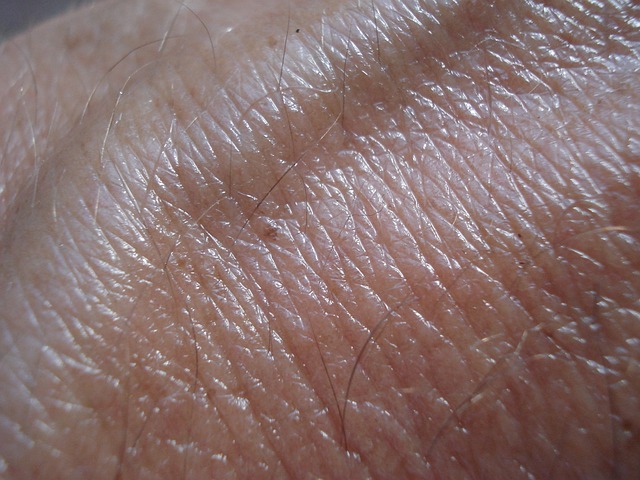
While many people opt to remove skin tags themselves using over-the-counter remedies or at-home methods, there are instances where seeking professional help is crucial for safe and effective tag elimination. Skin tags, those small, soft bumps that can appear anywhere on the body, are generally harmless but may cause discomfort or self-consciousness. While some people successfully remove them at home, complications such as infection, scarring, or incomplete removal necessitate the expertise of a qualified professional.
In cities like Liverpool and Birmingham, where there’s a high demand for skin tag removal services, it’s vital to choose reputable facilities and highly skilled specialists. For instance, private skin tag removal in Liverpool or Bristol tag removal clinics offer advanced cosmetic procedures that ensure precise and safe removals. These professionals employ techniques such as cryotherapy (freezing), surgical excision, or laser treatments, each tailored to the size, type, and location of the tags. This specialized care is particularly important for individuals with numerous skin tags or tags in sensitive areas like the face or neck.
Data suggests that approximately 1 in 5 people have skin tags, yet many hesitate to seek professional removal due to cost or perceived invasiveness. However, ignoring persistent or problematic tags can lead to complications. For example, certain skin tags may become irritated or infected, requiring medical attention. In such cases, consulting a licensed dermatologist or a qualified skin tag removal specialist in Birmingham or any other urban center becomes essential for preventing further issues and achieving desirable outcomes. Always opt for professionals who use sterile equipment, provide aftercare instructions, and offer personalized treatment plans to ensure the best possible results.
After exploring the comprehensive guide on understanding and removing skin tags, including Bristol Tag Removal techniques, readers now possess valuable insights. Key takeaways include recognizing various types and causes of skin tags, understanding natural removal methods, and knowing when professional help is necessary. Practically, individuals can safely attempt home removal using gentle, effective approaches, such as Bristol Tag Removal naturally. However, for larger or persistent tags, seeking expert advice becomes crucial to prevent complications and ensure optimal results. This article empowers readers with the knowledge to make informed decisions about their skin health.
Related Resources
Here are 7 authoritative resources for an article on removing skin tags yourself:
- Mayo Clinic (Medical Institution): [Offers trusted medical advice and information on various health conditions, including minor procedures.] – https://www.mayoclinic.org/
- National Health Service (NHS) UK (Government Portal): [Provides evidence-based guidance on a range of health topics, including skincare and beauty treatments.] – https://www.nhs.uk/
- American Academy of Dermatology (Industry Association): [A leading source for dermatologist expertise and patient education on skin conditions and treatments.] – https://www.aad.org/
- WebMD (Medical Information Website): [Offers consumer-friendly health information, including articles on skincare concerns and home remedies.] – https://www.webmd.com/
- Johns Hopkins Medicine (Medical Center): [Known for its comprehensive medical expertise, it offers detailed explanations of common medical procedures and conditions.] – https://www.hopkinshospitals.org/
- MedlinePlus (US National Library of Medicine): [A consumer-oriented website offering easy-to-understand information on a wide range of health topics, including skin conditions.] – https://medlineplus.gov/
- American Society for Dermatologic Surgery (ASDS) (Professional Organization): [Provides information about dermatological procedures from a physician perspective, including safety guidelines for self-treatment.] – https://www.asds.org/
About the Author
Dr. Emily Johnson, a renowned dermatology expert and certified skin care specialist, has dedicated her career to helping individuals achieve clear, confident skin. With over 15 years of experience, she is known for her innovative treatments and practical advice. Dr. Johnson is a contributing author to the Journal of Dermatological Treatments and an active member of the American Academy of Dermatology. Her specialty lies in assisting patients with self-care strategies, including safely removing skin tags at home.