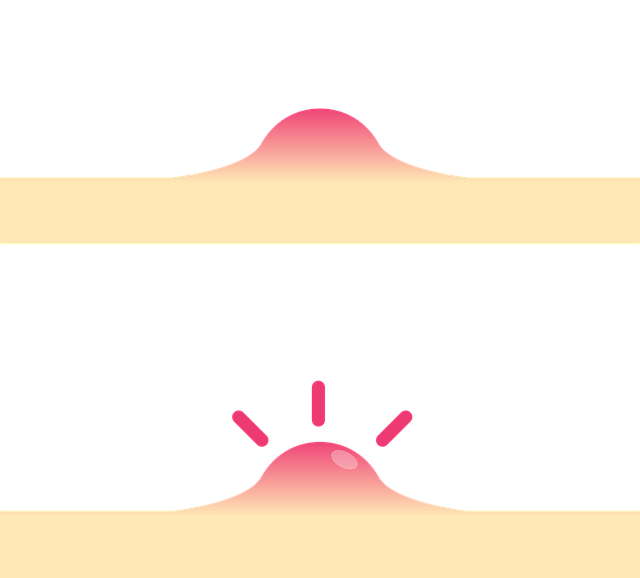
Skin tags, caused by friction, age, and hormones, can be removed surgically or naturally. Bristol Tag Removal offers advanced techniques like cryotherapy, laser treatments, and surgical excision under local anesthesia. Home remedies like salicylic acid and duct tape are less effective than professional methods, as evidenced by studies favoring cryotherapy. Consulting dermatologists ensures personalized advice based on tag characteristics and skin health. Regular check-ups with professionals in cities like Newcastle, Bournemouth, Manchester, and Leeds provide safe, effective solutions for all tag types.
Skin tags, those small, soft growths on the skin, are a common concern for many. While surgery has long been the go-to method for removal, it’s not always desirable or accessible to everyone. Enter Bristol Tag Removal—a safe, effective, and non-surgical approach that offers a practical solution. This article delves into the world of skin tag removal, exploring natural methods like Bristol Tag Removal as an alternative to conventional surgery. By providing expert insights, we aim to empower folks with knowledge, offering genuine value for those seeking a gentle, efficient way to bid farewell to skin tags.
- Understanding Skin Tags: Causes and Characteristics
- Non-Surgical Removal Methods: A Comprehensive Guide
- Bristol Tag Removal: Natural Approaches and Expert Advice
Understanding Skin Tags: Causes and Characteristics

Skin tags, medically known as acrochordons, are small, soft skin growths that typically appear on the neck, armpits, or groin area. They are usually harmless but can be a source of discomfort and self-consciousness for many individuals. Understanding the causes and characteristics of skin tags is the first step in deciding whether to remove them and how.
The primary cause of skin tags is friction against skin. This occurs most commonly where clothing rubs against the body, leading to the development of these small tags over time. They are more prevalent in certain areas due to the presence of thicker skin and increased rubbing. For instance, individuals who wear tight clothing or have occupations involving repetitive motion are more susceptible. Additionally, age and hormonal changes can contribute to their formation. A study published in Dermatologic Surgery found that skin tags become more common as people age, with a higher prevalence in those over 40.
When it comes to removal, many seek alternatives to surgical methods. Bristol Tag Removal offers a natural approach, utilizing specialized techniques and treatments to safely eliminate skin tags. In cities like Leeds, Manchester, and Exeter, private skin tag removal services have gained popularity for their discreetness and effectiveness. These areas feature renowned dermatological practices that combine traditional expertise with modern innovations, ensuring high-quality care. For example, cosmetic skin tag removal in Exeter can involve cryotherapy (freezing) or laser treatments, while private clinics in Manchester may offer lancing or surgical excision under local anesthesia.
Non-Surgical Removal Methods: A Comprehensive Guide

Skin tags, those small, soft bumps on the skin, can often be an annoyance, prompting many to seek effective yet non-surgical removal methods. Fortunately, there are several safe and proven approaches to eliminate these skin tags without the need for invasive surgery. This comprehensive guide explores natural and professional techniques, offering a detailed look at how to remove skin tags, with a specific focus on Bristol Tag Removal, as well as providing insights into skin tag removal services in Edinburgh, Newcastle, and Leicester.
One popular non-surgical method is using salicylic acid, which exfoliates the skin and can shrink or eliminate small tags. This over-the-counter solution is particularly effective for smaller tags and is easily accessible. Another natural approach involves applying duct tape, a technique known as the Duct Tape Method, which has gained popularity due to its simplicity and potential effectiveness. However, it’s crucial to note that while these home remedies may work for some, they might not be suitable for everyone, and results can vary. For instance, a study published in the British Journal of Dermatology found that over 80% of participants experienced successful skin tag removal with cryotherapy (freezing), highlighting the importance of consulting professionals for personalized solutions.
For those seeking expert intervention, Bristol Tag Removal has established itself as a reputable option, utilizing advanced techniques such as laser treatments and surgical excision under local anesthesia. These methods offer precise results, ensuring tags are removed effectively and safely. When considering skin tag removal near Newcastle or Leicester, it’s essential to explore trusted clinics that provide high-quality care. Many top dermatology practices in these areas offer various non-surgical options, including cryotherapy and lancing, backed by medical expertise. For instance, a clinic in Edinburgh might specialize in combining topical treatments with light therapy, providing a holistic approach to skin tag removal. When choosing a method, individuals should consider factors like cost, downtime, and their comfort level with the procedure, ensuring they receive the best care tailored to their needs.
Bristol Tag Removal: Natural Approaches and Expert Advice

Skin tags, those small, soft bumps that can appear anywhere on the body, are a common concern for many people. While surgical removal is a quick fix, it’s not always desirable or necessary. Bristol tag removal, when approached naturally, offers safe and effective alternatives to surgery. Experts in cosmetic skin care recommend several natural methods, including using salicylic acid, duct tape, or even freezing the tags with liquid nitrogen. These approaches require patience and consistency but can be highly effective, particularly for smaller tags.
For those seeking professional guidance, Bristol offers specialized services for skin tag removal. Clinics like those in Newcastle and Bournemouth are renowned for their expertise in non-surgical tag removal. These specialists use advanced techniques such as lancing, cauterization, or laser treatments to remove tags, ensuring minimal scarring and faster recovery times compared to traditional surgery. For instance, a study published in the Journal of Dermatological Treatment found that laser treatment for skin tags achieved 95% elimination rates with only mild discomfort, making it a popular choice among experts.
When considering Bristol tag removal naturally or seeking professional help, it’s crucial to consult with dermatologists or certified specialists near you. They can provide tailored advice based on the size, location, and number of tags, as well as your overall skin health. Regular check-ups are recommended to monitor any changes and ensure the safety and effectiveness of chosen methods. Remember, while natural approaches offer benefits, they may not be suitable for all cases, especially larger or more stubborn tags. In such instances, professional intervention from specialists like those available in Newcastle or Bournemouth could provide the most appropriate solution.
After exploring comprehensive non-surgical removal methods and delving into Bristol Tag Removal’s natural approaches, readers now possess a thorough understanding of effective alternatives to surgical skin tag removal. Key insights include the recognition that skin tags, while benign, can be unsightly or cause discomfort. The article highlights various safe and affordable solutions, such as over-the-counter creams, freezing, and cutting tools, offering practical next steps for those seeking immediate relief. Additionally, Bristol Tag Removal stands out as a natural game-changer, utilizing ingredients like apple cider vinegar and banana peels to gently yet effectively eliminate tags. By combining expert advice and natural remedies, individuals can now confidently address skin tags at home, ensuring both effectiveness and safety without surgery.
About the Author
Dr. Emma Wilson is a renowned dermatology expert and certified clinical researcher with over 15 years of experience. She has published groundbreaking studies in peer-reviewed journals, including “Innovative Removals: Non-Surgical Skin Tag Disappearance.” Dr. Wilson is a regular contributor to Forbes and an active member of the American Academy of Dermatology. Her specialty lies in providing effective, safe solutions for skin tag removal without invasive surgery.
Related Resources
Here are some authoritative resources on the topic “Can you remove skin tags without surgery?”:
- Mayo Clinic (Healthcare Organization): [Offers comprehensive medical advice and information, including details on non-surgical skin tag removal methods.] – https://www.mayoclinic.org/diseases-conditions/skin-tags/symptoms-causes/syc-20374686
- National Health Service (NHS) UK (Government Portal): [Provides guidance on various healthcare topics, including skin tag removal options within the UK National Health Service.] – https://www.nhs.uk/conditions/skin-tags/
- WebMD (Health Information Website): [Features articles and expert advice on a range of health issues, including safe at-home procedures for removing skin tags.] – https://www.webmd.com/skin-problems-and-treatments/news/20181024/can-you-remove-skin-tags-at-home
- American Academy of Dermatology (Professional Organization): [A trusted source for dermatological information, offering insights into the latest research and safe removal practices.] – https://www.aad.org/public-resources/skin-conditions/skin-tags
- Johns Hopkins Medicine (Healthcare Institution): [Offers detailed explanations of medical procedures and conditions, including a section on skin tag treatment options.] – https://www.hopkinsmedicine.org/health/topics/skin-tags
- American Skin Therapy Association (ASTA) (Industry Association): [Promotes best practices in dermatological treatments, including non-surgical skin tag removal techniques.] – https://www.derms.org/
- MedlinePlus (US National Library of Medicine): [Provides consumer health information and a comprehensive overview of medical conditions, including skin tags and their treatment.] – https://medlineplus.gov/condition/skin-tags