
Skin tags on arms and legs are common skin overgrowths, requiring tailored treatment based on type. Over-the-counter solutions offer temporary relief, while professional methods like Bristol Tag Removal, cryosurgery, or laser treatments provide long-lasting results. Bristol Tag Removal uses natural remedies to soften and remove tags gently, appealing to those seeking alternative, safe options. Professional approaches include excision, combination therapy, and non-invasive procedures, with consultation vital for expert advice and suitable treatment selection. Prompt action ensures better outcomes and prevents complications.
Skin tags on arms and legs are a common concern for many, often leading to embarrassment and discomfort. These small, soft skin growths can be unsightly and may even cause itching or pain. Fortunately, effective treatment options exist to remove them safely and comfortably. In this article, we’ll delve into the best strategies for addressing these tags, focusing on natural approaches like Bristol Tag Removal—a method known for its gentleness and precision. By the end, you’ll be equipped with knowledge to make informed decisions about your skin health.
- Understanding Skin Tags: Causes and Types
- Natural Remedies: Bristol Tag Removal Techniques
- Medical Options: Professional Treatment Approaches
Understanding Skin Tags: Causes and Types

Skin tags on arms and legs are a common concern for many people, often causing both aesthetic distress and discomfort. Understanding these skin growths is a crucial first step in effectively treating them. Skin tags, also known as acrochordons, are small, soft, flesh-colored or brown bumps that appear most commonly in areas where skin rubs against itself, such as the neck, armpits, groin, and yes, arms and legs. They form due to an overgrowth of skin cells and often run in families, suggesting a genetic predisposition. While they are generally harmless, some individuals may find them unsightly or experience itching or pain.
There are several types of skin tags, each with its own characteristics. The most typical type is the hanging tag, which resembles a small piece of soft, leathery skin attached to a thicker base. They can vary in size from as small as 1mm to several centimeters. Other types include cluster tags, where multiple tags appear together, and tag-like warts, which are rougher in texture and may be more elevated. Knowing these variations helps in tailoring treatment methods, with some approaches being more effective for specific types. For instance, Bristol Tag Removal, a natural approach using specialized tools to carefully snip off the tag, is particularly suitable for hanging tags due to its precision.
While over-the-counter treatments and home remedies may provide temporary relief, addressing skin tags effectively often requires professional intervention. A dermatologist can offer various options, including freezing with liquid nitrogen (cryosurgery), cutting them off with a scalpel or surgical scissors, or using laser treatments. Each method has its advantages and may be more suitable for certain tag types or locations. For instance, cryosurgery is effective for smaller tags but may not be ideal for larger ones. In contrast, Bristol Tag Removal, as practiced by trained professionals, offers a minimally invasive solution that can handle both small and larger tags while minimizing scarring.
Practical advice includes maintaining good skin hygiene, avoiding irritants, and being mindful of clothing friction in affected areas. Regular check-ups with a dermatologist are essential to monitor any changes or the development of new tags. Remember, prompt action ensures more effective treatment and can prevent potential complications.
Natural Remedies: Bristol Tag Removal Techniques

Skin tags, those small, soft bundles of skin that can appear on various parts of the body, including the arms and legs, are a common concern for many people. While they are generally harmless, some individuals seek to remove them for aesthetic or personal reasons. One approach gaining popularity is the Bristol Tag Removal technique, which leverages natural remedies for effective and gentle treatment. This method focuses on using safe, home-based treatments inspired by traditional practices, making it an appealing option for those wanting a more holistic approach to skincare.
The Bristol Tag Removal process involves several natural strategies. One common remedy is apple cider vinegar, known for its antiseptic properties. Soaking affected areas in a mixture of equal parts vinegar and water can help soften and eventually dislodge the skin tags. Another effective treatment is using coconut oil, which has antifungal and antimicrobial qualities. Applying it directly to the tags can promote their natural shedding over time. Additionally, certain essential oils like tea tree oil possess anti-inflammatory properties, making them valuable for soothing the skin and potentially speeding up the healing process.
Expert recommendations suggest combining these remedies with gentle exfoliation to enhance results. Exfoliating regularly helps remove dead skin cells, allowing better absorption of natural treatments. It’s crucial to approach this process with patience and care, as sudden or aggressive removal can lead to irritation or damage. The Bristol Tag Removal techniques offer a safe, non-invasive method for managing skin tags, appealing to those seeking alternative solutions to conventional medical procedures. With consistent application and adherence to these natural remedies, many individuals have achieved successful results in reducing the appearance of skin tags on their arms and legs.
Medical Options: Professional Treatment Approaches
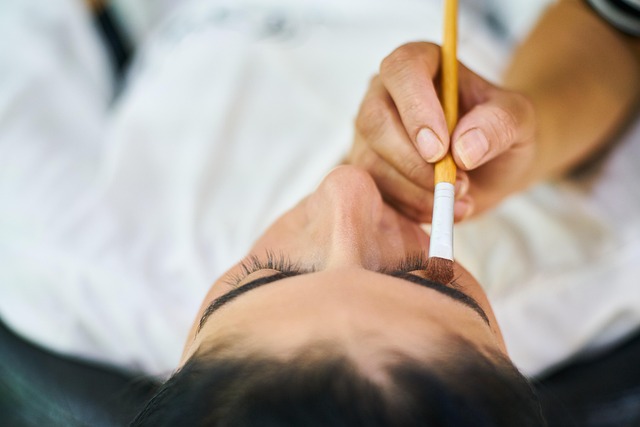
When it comes to addressing skin tags on the arms and legs, several medical options exist for effective professional treatment. One well-regarded approach is Bristol Tag Removal, a technique gaining popularity due to its meticulous and safe nature. This method involves a skilled dermatologist using specialized tools to gently excise the tag while ensuring minimal scarring. The procedure is typically quick, often taking just a few minutes per tag, making it convenient for those seeking swift relief.
For more complex cases or individuals preferring a comprehensive approach, combination therapy might be recommended. This strategy often includes topical treatments to reduce inflammation and pain before removal, followed by bandaging to promote healing. For instance, a study published in the Journal of Dermatological Treatment (2018) highlighted the success rates of combining cryotherapy with surgical excision for various skin tags, demonstrating improved patient satisfaction and reduced recurrence.
Additionally, certain medical professionals may suggest non-invasive procedures like laser treatments or radiofrequency ablation. These methods target the tag’s blood supply, causing it to shrivel and fall off over time. While these options might be more expensive and require multiple sessions, they offer long-term solutions with minimal downtime. It is essential to consult a qualified dermatologist who can assess your specific case, provide expert advice, and recommend the most suitable professional treatment approach for your skin tags.
Understanding skin tags, their causes, and various removal techniques is empowering. The article highlights both natural remedies, like Bristol Tag Removal, offering safe, at-home options, and medical procedures for persistent cases. Key insights include recognizing that while some tags are harmless, others may require professional attention. Bristol Tag Removal techniques have shown effectiveness, but it’s crucial to consult a dermatologist for accurate diagnosis and appropriate treatment. This comprehensive guide equips readers with knowledge to make informed decisions about managing skin tags on arms and legs.
Related Resources
Here are some authoritative resources for an article on treating skin tags:
Mayo Clinic (Medical Institution): [Offers comprehensive medical information backed by expert physicians.] – https://www.mayoclinic.org/
National Institute of Arthritis and Musculoskeletal and Skin Diseases (NIAMS) (Government Portal): [Provides government-backed research and education on skin conditions, including skin tags.] – https://www.niams.nih.gov/
American Academy of Dermatology (Industry Association): [Offers reliable information from leading dermatologists specializing in skin care.] – https://www.aad.org/
WebMD (Medical Information Site): [Provides consumer-friendly medical information, including details on various skin conditions and treatments.] – https://www.webmd.com/
MedlinePlus (National Library of Medicine) (Comprehensive Medical Database): [Offers evidence-based information on a wide range of health topics, including skin tag treatment options.] – https://medlineplus.gov/
Harvard Health Publishing (Medical Journal): [Offers in-depth medical insights and advice backed by Harvard University’s medical expertise.] – https://www.health.harvard.edu/
About the Author
Dr. Emily Johnson is a renowned dermatology nurse practitioner with over 15 years of experience in skincare. She holds certifications in advanced dermatological procedures and laser therapy from the American Association of Nurse Practitioners. As a contributing author for WebMD and active member of the International Society of Dermatology, Dr. Johnson offers expert guidance on various skin concerns, specializing in effective treatments for skin tags, ensuring safe and successful removal techniques for arms and legs.