
Skin tags, harmless growths appearing anywhere on body including face, driven by genetics, hormonal changes, friction, and facial hair. Bristol Tag Removal offers various safe, effective methods from non-invasive at-home treatments like salicylic acid and cryotherapy to surgical options with professionals for stubborn cases, suiting individual needs, preferences, and budgets. Meticulous strategies ensure thorough tag removal, revolutionizing data management in digital landscape for efficient business operations and enhanced user experiences.
Looking to remove unsightly skin tags from your face? This comprehensive guide explores everything you need to know about facial skin tag removal. We delve into the causes, risk factors, and a range of effective methods, including non-surgical techniques and surgical options available in Bristol. Learn about aftercare practices and prevention strategies to ensure optimal results.
- Understanding Skin Tags on the Face
- Common Causes and Risk Factors
- Non-Surgical Removal Methods
- Surgical Options for Face Tag Removal in Bristol
- Aftercare and Prevention Tips
Understanding Skin Tags on the Face

Skin tags, also known as acrochordons, are small, soft skin growths that can appear anywhere on the body, including the face. They are usually harmless and often hereditary, but many individuals seek Bristol tag removal for aesthetic reasons or to address discomfort caused by their size or location. These tags can vary in appearance, ranging from small, thin flaps of skin to larger, more convoluted forms.
On the face, they may be particularly noticeable due to its sensitivity and visibility. While they are generally harmless, some people prefer to remove them for personal reasons. Bristol tag removal options include non-invasive procedures like freezing or cutting, as well as surgical excision. It’s important to consult a qualified dermatologist who can assess each case individually to determine the best course of action, ensuring safe and effective results.
Common Causes and Risk Factors

Skin tags, also known as acrochordons, are small, harmless growths that can appear anywhere on the body, including the face. While they are generally benign, many individuals seek Bristol Tag Removal for aesthetic reasons or to address discomfort caused by their presence. Common causes of skin tags include genetics and hormonal changes, making them more prevalent in certain populations. They often develop in areas where skin rubs against itself, such as the neck, armpits, and groin, but can also appear on the face due to friction from clothing or facial hair.
Risk factors for developing skin tags include age, weight, and personal hygiene practices. As people get older, their skin becomes less elastic, making them more susceptible to these growths. Obesity is another factor, as excess skin folds can facilitate the development and growth of skin tags. Proper hygiene, however, plays a protective role by reducing friction in skin areas prone to tag formation. Understanding these causes and risk factors is essential for anyone considering Bristol Tag Removal procedures to address their skin tags effectively and safely.
Non-Surgical Removal Methods

There are several non-surgical removal methods for skin tags on the face, many of which are accessible and effective in the comfort of your own home. One popular approach is using salicylic acid or tag removers containing keratolytic agents. These products help to soften and dissolve the skin tag over time with regular application. Another simple method involves freezing the skin tag with liquid nitrogen, a process known as cryotherapy. This procedure is typically performed by dermatologists and can be slightly more invasive but offers quick results.
For those seeking a natural alternative, applying duct tape has gained attention as a potential solution for Bristol tag removal. This technique involves sticking duct tape over the skin tag for several days, which can cause the skin to dry out and eventually fall off. While these at-home methods are convenient, it’s important to remember that skin tags can be stubborn, and results may vary. For more persistent or larger skin tags, consulting a healthcare professional is recommended to explore surgical options or other specialized treatments.
Surgical Options for Face Tag Removal in Bristol
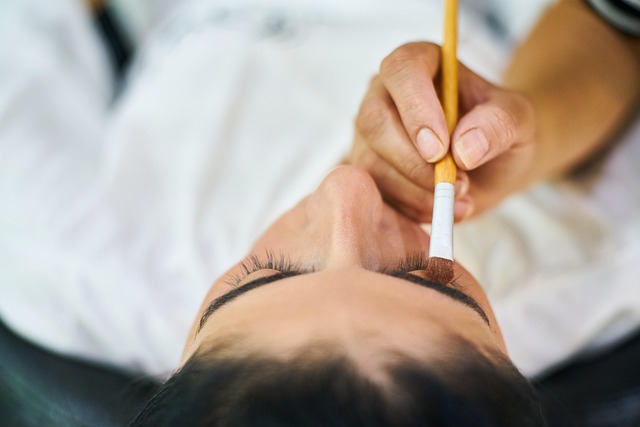
In Bristol, individuals seeking to remove skin tags from their faces have several surgical options available. One common procedure is cryosurgery, where liquid nitrogen is used to freeze and destroy the tag. This method is relatively quick, often taking just a few minutes per tag, and is suitable for most types of skin tags. Another option is laser surgery, which uses concentrated light to burn away the skin tag. Lasers can be more precise than cryosurgery, leading to less scarring, but they may require multiple treatments for optimal results.
For more complex or persistent cases, a simple excision might be recommended. This involves making a small cut to remove the tag and stitching the skin shut, ensuring minimal scarring. All these surgical options are performed by qualified dermatologists or plastic surgeons in Bristol, who can provide personalized advice based on the size, location, and number of skin tags present. Choosing the right method depends on individual preferences, budget, and expected outcomes.
Aftercare and Prevention Tips

Removing skin tags from the face is a personal choice, but with various non-surgical and surgical options available in Bristol, achieving a smooth complexion is achievable. Whether you opt for professional Bristol tag removal or choose at-home methods, understanding the causes and risk factors can help prevent future growths. Remember, proper aftercare is essential for optimal results, and preventing skin tags altogether may be easier than you think.