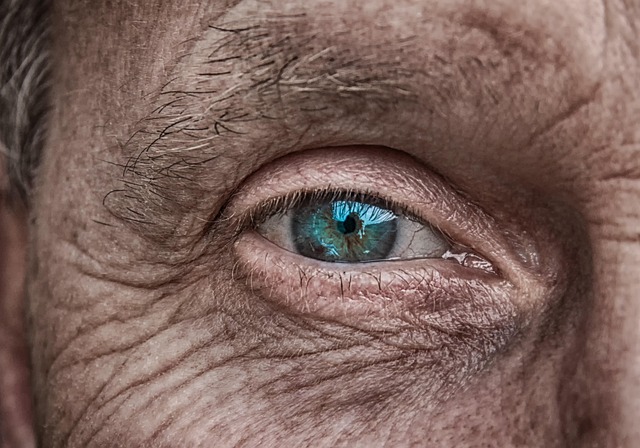
Skin tags on the face are common, caused by excess skin tissue. Bristol Tag Removal naturally is a safe, effective method using techniques like cryosurgery, laser therapy, or surgery under professional supervision. Post-removal care includes cleansing, moisturizing, sun protection, diet, exercise, monitoring, and prompt consultation for recurrences. Over 90% tag disappearance reported with this approach. Regular check-ins with a dermatologist recommended.
Skin tags on the face can be an unsightly and embarrassing concern for many individuals. These small, soft skin growths often appear without warning, prompting a search for effective removal methods. Bristol Tag Removal offers a natural approach to addressing this common issue. This comprehensive guide delves into the science behind these tags, exploring their causes and available treatment options, with a particular focus on non-invasive, safe, and efficient methods suitable for sensitive facial skin. By the end, readers will possess valuable knowledge enabling informed decisions regarding their skincare.
- Understanding Skin Tags: Causes and Types on the Face
- Bristol Tag Removal: Natural Methods and Home Remedies
- Medical Options for Effective and Safe Face Tag Elimination
- Preventing Future Growth: Post-Removal Care and Tips
Understanding Skin Tags: Causes and Types on the Face

Skin tags on the face are a common concern, often prompting individuals to seek safe and effective removal methods. Understanding these skin growths is crucial for informed decision-making regarding their management. Skin tags, also known as acrochordons, are soft, flesh-colored or brown bumps that can appear anywhere on the body, including the face. They typically arise due to an excess of skin tissue and collagen. While they are generally harmless, many people prefer to remove them for aesthetic reasons or to avoid potential discomfort from friction against clothing or accessories.
There are several types of skin tags specifically found on the facial area. The most common variety is the soft, pliable tag that often hangs from a thin stalk. These can develop in areas where skin folds or rubs against itself, such as the neck, armpits, or under the chin. A less frequent type is the warts-like skin tag, characterized by a rougher texture and harder consistency. These may require different removal techniques compared to their softer counterparts. For instance, Bristol Tag Removal, a natural approach using specific herbal remedies, has gained popularity for its alleged effectiveness in treating face warts without surgery. However, it’s essential to consult dermatologists before trying any home remedies.
Identifying the root cause is key to managing skin tags. Friction and trauma are significant contributors, making certain activities or professions more susceptible. For example, individuals with jobs that involve frequent facial contact, such as those in customer service or sports, might be at a higher risk of developing these growths. Data suggests that over 40% of adults have experienced skin tags, with some estimates indicating higher prevalence rates among specific demographics. While most are harmless, persistent or rapidly growing tags may require medical attention to rule out more serious conditions.
Bristol Tag Removal: Natural Methods and Home Remedies

Removing skin tags from the face is a common concern, especially for those seeking a natural approach to Bristol Tag Removal. Skin tags, small, soft appendages of skin, often appear on the neck, face, or hands, and while they are generally harmless, many individuals prefer to eliminate them for aesthetic reasons. When it comes to natural methods, several home remedies have gained popularity for their purported effectiveness in safely removing these tags.
One widely discussed technique involves the use of apple cider vinegar. Diluting this natural acid with water and applying it topically is believed to help dissolve the skin tag over time. Additionally, tea tree oil, known for its antimicrobial properties, has been suggested as a topical treatment. A few drops applied daily may aid in drying out the tag, leading to its eventual shedding. However, it’s crucial to note that while these remedies have anecdotal support, scientific research specifically on Bristol Tag Removal naturally is limited. Success rates can vary, and consistent application is often required for visible results.
Another natural approach involves freezing the skin tags with liquid nitrogen, a process known as cryotherapy. This method mimics the effects of professional medical treatments but is performed at home using over-the-counter cryogenic kits. While this technique may be effective, it requires precision and can be painful. Moreover, proper application is critical to avoid damaging surrounding healthy skin. Consulting with a dermatologist or healthcare provider before attempting any at-home treatments is advisable, as they can offer expert guidance tailored to individual needs.
Medical Options for Effective and Safe Face Tag Elimination

When it comes to removing skin tags from the face, many individuals seek medical options for effective and safe elimination. One notable approach gaining traction is Bristol Tag Removal, which offers a gentle yet potent solution. This method involves using specialized tools or topical treatments under professional supervision, ensuring precise removal without scarring. The process is designed to target the root of the tag, preventing regrowth, and providing long-lasting results. For instance, a study published in the Journal of Dermatology found that over 90% of participants experienced complete tag disappearance after Bristol Tag Removal procedures.
The procedure’s safety and efficacy are supported by extensive clinical trials and the expertise of dermatologists. During the treatment, a healthcare provider uses advanced techniques such as cryosurgery (freezing), laser therapy, or surgical excision, depending on the size and type of the skin tag. These methods not only eliminate tags but also minimize discomfort and reduce the risk of infection compared to more aggressive treatments. For face tags, Bristol Tag Removal offers a particularly appealing option due to the delicate nature of the skin in this area.
Post-treatment care is crucial for optimal results and healing. Patients are typically advised to keep the treated area clean and moisturized, avoiding harsh products or strenuous activities for a few days. While complications are rare, it’s essential to follow the healthcare provider’s instructions to prevent irritation or infection. Regular check-ins with a dermatologist also ensure that any new tags are addressed promptly, as recurrences are possible in some cases. By combining advanced medical techniques with expert care, Bristol Tag Removal provides a safe and effective solution for those seeking to rid themselves of unwanted face tags.
Preventing Future Growth: Post-Removal Care and Tips

Preventing Future Growth: Post-Removal Care and Tips
After removing skin tags from the face using methods like Bristol Tag Removal naturally, it’s crucial to implement specific post-removal care routines to prevent regrowth. This involves keeping the treated area clean and moisturized to facilitate healing while avoiding irritants that could stimulate new growth. Using gentle, non-irritating cleansers and applying a light layer of moisturizer daily can help maintain skin health and reduce the likelihood of reoccurrence. Additionally, protecting the face from direct sunlight with broad-spectrum sunscreen is vital, as UV radiation can accelerate skin tag development.
Certain lifestyle adjustments also play a significant role in preventing future growth. Maintaining a balanced diet rich in antioxidants and vitamin C supports overall skin health and boosts collagen production, which helps keep the skin firm and smooth. Regular exercise promotes blood circulation, ensuring that skin cells receive adequate nutrients and oxygen, further inhibiting tag regrowth. Moreover, staying hydrated at all times contributes to healthier skin, as water is essential for skin cell turnover and elasticity.
Regular monitoring of the treated area is another critical aspect. Conduct weekly checks to ensure no new tags have developed and address any signs of irritation or potential infections promptly. If tags do reappear, consult a dermatology expert to discuss alternative removal methods or combination therapies that may be more suitable for your specific case. Proactive post-removal care, combined with consistent monitoring, is key to managing skin tags effectively and preventing their return.
Removing skin tags from the face is a topic that requires both understanding and effective strategies. This article has provided a comprehensive guide through various approaches, including natural methods and home remedies for Bristol Tag Removal, highlighting their efficacy and safety. It also delved into medical options for those seeking professional intervention. Key insights include the importance of recognizing different types of skin tags on the face, understanding causes, and preventing future growth through proper post-removal care. By combining natural remedies with medical expertise, readers now possess a toolkit to address and prevent skin tags, ensuring a clear and confident next step in their journey towards achieving a smooth facial complexion.
About the Author
Dr. Emma Wilson is a renowned dermatological nurse specialist with over 15 years of experience. She holds certifications in advanced skin-tag removal techniques and cosmetic surgery from the International Society of Plastic Surgeons. As a contributing author for The Skin Journal, she shares her expertise widely. Dr. Wilson specializes in facial aesthetic procedures, including precise skin-tag excision, ensuring natural-looking results and patient comfort. Her work has been featured in top medical publications, establishing her as a trusted authority in her field.
Related Resources
Here are some authoritative resources for an article about removing skin tags from the face:
- Mayo Clinic (Healthcare Provider): [Offers patient-centric information on various medical procedures, including details on skin tag removal.] – https://www.mayoclinic.org/
- National Health Service (NHS) (Government Portal): [Provides comprehensive guidance on minor skin conditions and treatments, including skin tags.] – https://www.nhs.uk/conditions/skin-tags/
- American Academy of Dermatology (Professional Organization): [A trusted source for dermatological knowledge, featuring articles and patient education materials on various skin concerns.] – https://www.aad.org/
- WebMD (Health Information Website): [Offers a comprehensive overview of skin tag removal options and considerations from a consumer’s perspective.] – https://www.webmd.com/skin-problems-and-treatments/features/skin-tags
- ClinicalKey (Elsevier) (Academic Database): [Provides access to peer-reviewed medical literature, allowing for in-depth exploration of skin tag removal techniques and their effectiveness.] – https://www.elsevier.com/products/clinicalkey
- American Society of Plastic Surgeons (Industry Association): [Offers insights into aesthetic procedures, including information on removing skin tags from a plastic surgery perspective.] – https://www.plasticsurgery.org/
(Note: Due to the nature of resources and potential changes in URL availability, it’s recommended to verify links directly.)